

The Ultrafast Grocery Revolution: How Quick Commerce Is Shaping the Next Gig Economy Wave
Just when it seemed the gig economy’s rapid evolution had hit a plateau, a new frontier has emerged. Ultrafast grocery delivery. Imagine ordering your weekly essentials and having them arrive at your door within 10 to 20 minutes—not hours or days.
This is not the standard online grocery service you might be used to from established names like Tesco or Ocado. Instead, it’s a bold, high-speed battleground for ambitious startups, and London is at the heart of this transformation.
London: The Perfect Test Bed
London’s unique blend of high population density, cultural diversity, and affluent neighborhoods makes it a prime location for testing and scaling new gig economy models. The city’s compact geography allows for efficient delivery routes, while its residents’ busy lifestyles and higher disposable incomes create fertile ground for convenience-driven services. If a startup can thrive in London, it signals readiness for global expansion.
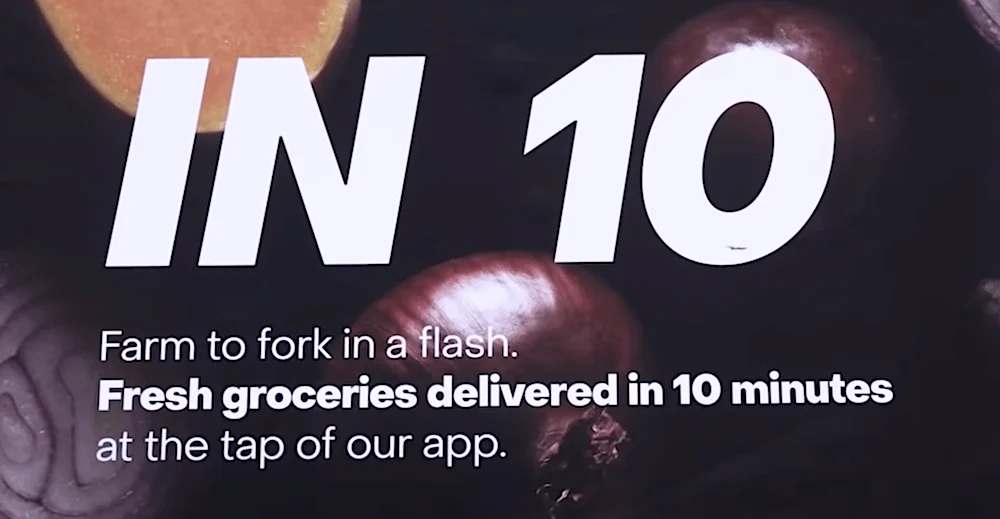
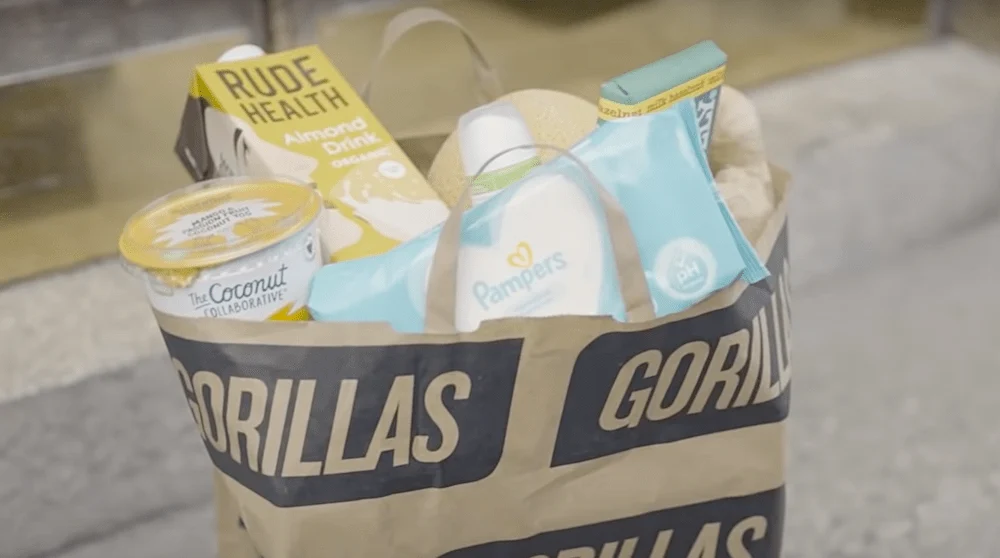
But London isn’t alone. Cities in Germany and Turkey are also seeing rapid adoption of ultrafast grocery services, with key players like Getir, Gorillas, Flink, Zapp, Weezy, and Djia vying for dominance. Notably, Getir has already acquired Weezy, hinting at the consolidation that often follows explosive growth in new sectors.
The Rise of Quick Commerce (Q-Commerce)
Ultrafast grocery delivery is part of the broader quick commerce (Q-commerce) movement, which distinguishes itself from traditional e-commerce by focusing on the speed of fulfillment. In Q-commerce, every minute counts. The promise: groceries and essentials delivered to your door in as little as 10–20 minutes, thanks to a combination of slick mobile apps and a fleet of gig economy couriers.
The surge in Q-commerce began in 2020, fueled by millions in venture capital and even sovereign wealth fund investments. These backers are betting big on a future where speed and convenience reign supreme.
Why Ultrafast? The Model’s Core Premises
What makes this model so compelling to investors and consumers alike? It rests on several key assumptions:
- Willingness to Pay a Premium: Customers are prepared to pay extra for the convenience of near-instant delivery, even for everyday items they could easily pick up themselves. This mirrors the surprising success of organic and vegan products, where higher prices did not deter demand.
- Changing Lifestyles: A new generation of consumers, flush with disposable income and pressed for time, increasingly values convenience. For them, time saved is worth every penny.
- Pandemic-Driven Habits: COVID-19 accelerated the adoption of delivery services. Even as restrictions lift, the sight of couriers zipping through neighborhoods has become more common, and restaurants report that delivery orders remain robust.
How Ultrafast Delivery Works: The Nuts and Bolts
The ultrafast grocery model is built on four pillars:
- Speed: The headline promise is delivery in 10–20 minutes, with 15 minutes being the industry benchmark.
- Curated Inventory: Unlike supermarkets that stock tens of thousands of items, ultrafast services focus on a tightly curated selection—about 1,500 essential products, including groceries, alcohol, and over-the-counter pharmaceuticals.
- Dark Stores: To achieve such rapid delivery, companies operate small, strategically located “dark stores.” These are not open to the public and are often tucked away in alleys or out-of-sight locations. Each serves a radius of about 3–4 kilometers, requiring a network of such stores across a city.
- Electric Vehicles: Couriers use e-bikes, e-mopeds, and motorbikes to weave through traffic and deliver orders at breakneck speed.
This approach is far more capital-intensive than traditional food delivery, as it requires leasing and fitting out multiple dark stores in every city.
The Growth Playbook: Speed, Discounts, and Loyalty
To win market share, ultrafast grocery startups prioritize rapid customer acquisition. The strategy is familiar: attract users with deep discounts and seamless app experiences, then foster loyalty through consistent, speedy service. Research shows that after two or three successful deliveries, customers tend to stick with their chosen provider.

Discounts are often so steep that delivered groceries can be cheaper than supermarket prices, making it a “no brainer” for many consumers—especially when factoring in the time and effort saved. This echoes the early days of Uber and ride-hailing, where heavy subsidies enticed both riders and drivers, all bankrolled by venture capital.
Is the Model Sustainable?
Despite its rapid growth, the ultrafast grocery model faces skepticism. Unlike Uber, which disrupted the taxi industry and captivated the public imagination, ultrafast grocery delivery doesn’t fill an obvious void or inspire the same level of excitement. It’s not seen as revolutionary—nor as threatening to supermarkets as Uber was to taxis.
The big question is sustainability. The model’s heavy reliance on discounts and capital-intensive infrastructure raises concerns about long-term profitability. Most players are not yet profitable, and their valuations are driven more by user growth than by solid financials.
The Road Ahead: Consolidation and Competition
Sector consolidation is already underway, with larger players acquiring smaller rivals to expand their customer base and delivery networks. For venture capitalists, the goal is often to build up a user base quickly and then sell to a bigger fish—rather than hold out for an IPO.
Meanwhile, traditional supermarkets are fighting back. Many now offer express delivery services, promising groceries in 30–60 minutes. While not as fast as the ultrafast startups, these services boast a much wider product range (up to 30,000 items) and don’t require the overhead of maintaining dark stores. Prices are also more competitive, as they don’t carry the same premium.
Lessons from Amazon Prime
Amazon’s Prime service offers a useful comparison. Once doubted, Prime has become a billion-dollar business with over 200 million paid members. Its express delivery model, built around a membership fee, has proven remarkably resilient. However, even Amazon hasn’t ventured into true ultrafast grocery delivery, suggesting that the economics of such a model are uniquely challenging.
What’s Next for Ultrafast Grocery Delivery?
The ultrafast grocery sector is at a crossroads. The initial buzz, fueled by deep discounts and aggressive expansion, is giving way to tough questions about sustainability. As venture capital dries up and competition intensifies, only the most efficient, well-capitalized players are likely to survive.
Yet, the impact of ultrafast delivery on consumer expectations is undeniable. The gig economy has always thrived on convenience, and Q-commerce is pushing the boundaries of what’s possible. Whether the model can deliver profits as well as speed remains to be seen.
Conclusion: The New Normal of Convenience
Ultrafast grocery delivery is more than a passing trend—it’s a window into the future of retail and the gig economy. As consumers grow accustomed to ever-faster service, businesses across sectors will need to adapt or risk being left behind. The race is on, not just for your business, but for your time.
The next time you see a courier racing down your street, groceries in tow, remember: you’re witnessing the latest evolution in the relentless pursuit of convenience—a revolution that’s only just begun.