
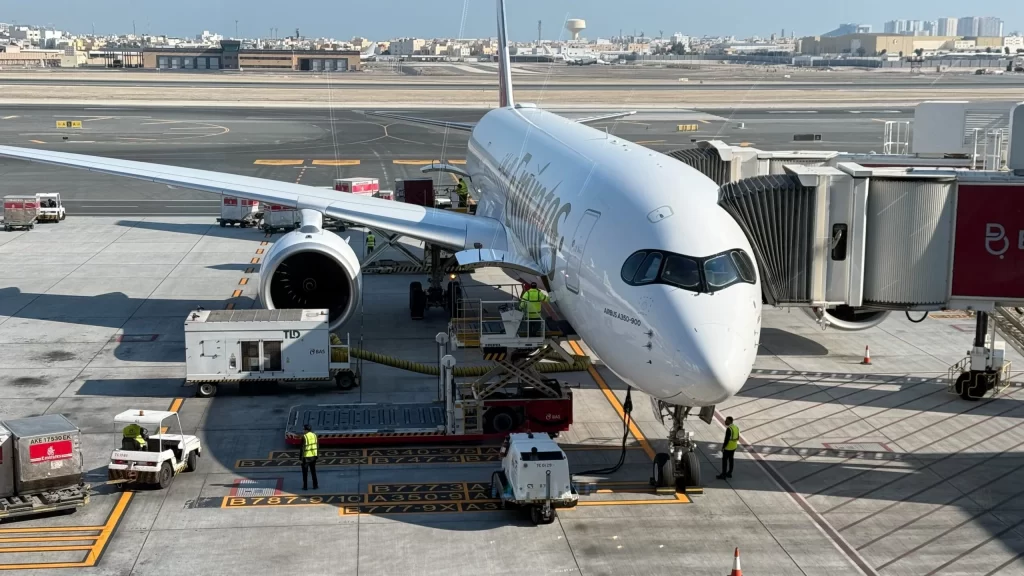
The Airport Ecosystem: A World of its own.
The Airport ecosystem, what are they?
Airports are not just transit points—they are vibrant microcosms, each with its own rhythm, culture, and stories. Whether you’re a seasoned traveler or an occasional flyer, stepping into an airport is like entering a distinct world that pulses with anticipation, movement, and possibility.
Over decades of frequent travel, I’ve come to appreciate airports as both familiar havens and sources of endless fascination. From tiny airfields in the Himalayas to sprawling international hubs, the airport ecosystem offers a unique perspective on global connectivity and human ingenuity.
A Universe of Similarities and Surprises
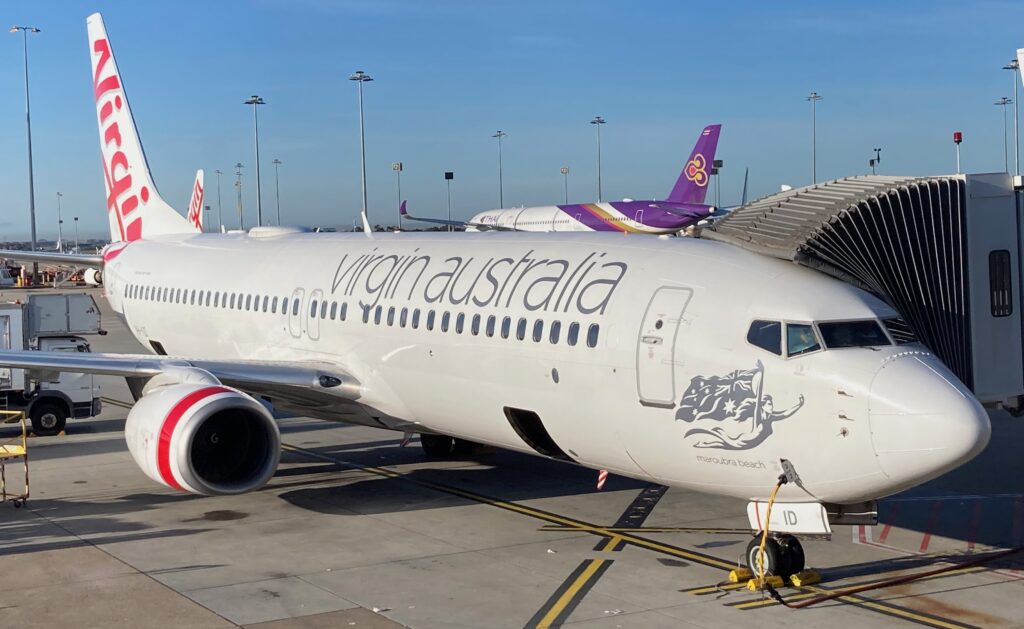
No matter where you are—be it Adelaide, Melbourne, Singapore, Heathrow, JFK, or Dubai—airports share a remarkable consistency in their operations and atmosphere.
The protocols, the flow of passengers, the uniforms, and the sense of order are strikingly similar, yet each airport retains its own flavor. This blend of sameness and uniqueness makes every journey both predictable and exciting.
The smallest airport I’ve visited was Pokhara in Nepal, which, three decades ago, was little more than a modest building with a couple of administrative rooms and a basic toilet block.
In stark contrast stands Chicago O’Hare, a behemoth where the sight of dozens of planes taxiing, taking off, and landing simultaneously is a testament to the scale of modern aviation. American airports, with their vast domestic networks, are particularly impressive in this regard.
The People Behind the Scenes
What truly animates the airport ecosystem are its people. Airline crews, airport staff, border agents, retail workers, and food service employees—each one plays a crucial role in keeping the complex machinery running smoothly. Their smart uniforms and prominent access passes set them apart, signaling their authority and expertise. Most are unfailingly professional, handling the pressures of their roles with grace and efficiency.
International airports adhere to similar protocols for screening passports and luggage, with only minor variations based on national visa requirements. Yet, beneath this uniformity lie countless stories and quirks.
For instance, my frequent arrivals in Los Angeles often saw me directed from the passport counter to a secondary interview room. The process became so routine that I’d find myself reassuring fellow travelers who too were directed to the same room, some of whom were flagged for sharing a name with someone on a watchlist. Despite never learning why I was singled out, the experience became a curious part of my travel narrative. Interestingly when I entered the US, thru JFK, I went right thru.
Heathrow, one of the world’s busiest airports, revealed another fascinating detail during my years in London: a significant proportion of its immigration and customs staff were of Sikh descent—a living legacy of the British Empire’s global reach.
Technological Transformation: The Rise of Automation
Perhaps the most significant shift in recent years has been the rapid adoption of automation and biometrics. E-gates, advanced screening devices, and facial recognition systems have revolutionized the passenger experience.
No longer do travelers need to fumble with laptops at security or endure lengthy manual checks. Airports in Qatar, the UAE, and Singapore are leading the way, setting new standards for efficiency and convenience. Australia, too, has been at the forefront, trialing and implementing e-gates that streamline both entry and exit processes.
These innovations are not just about speed—they’re about accuracy and security. Biometric data, once captured, allows for seamless movement through various checkpoints, reducing the reliance on physical documents and human intervention. This trend is likely to accelerate, with more airports adopting similar systems to meet the demands of growing passenger volumes.
Australian Airports: Professionalism with a Personal Touch
As an Australian, I may be biased, but I’ve consistently found the country’s border agencies to be among the most polite, professional, and competent.
The Australian Border Force and AQIS (Australian Quarantine and Inspection Services) exemplify clarity and courtesy, even when conducting thorough checks. The sight of sniffer dogs methodically working the baggage belts and passenger lines is both reassuring and emblematic of Australia’s commitment to security and biosecurity.
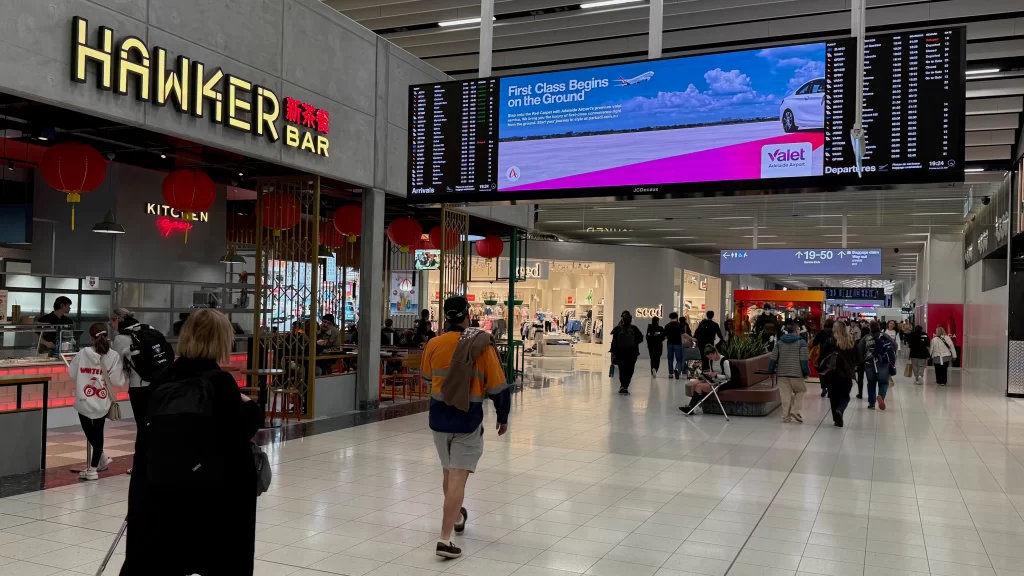
Baggage handlers, on the other hand, are a mixed bag. While generally careful and efficient, they are not immune to industrial disputes, which can bring operations to a standstill and leave passengers stranded for hours. Sydney and Perth airports, with their separate domestic and international terminals, often require a mini-pilgrimage to transfer between flights—a logistical challenge. I prefer to fly through Melbourne whenever possible, same location for international and domestic.
Design Evolution: Longer Walks, Better Amenities
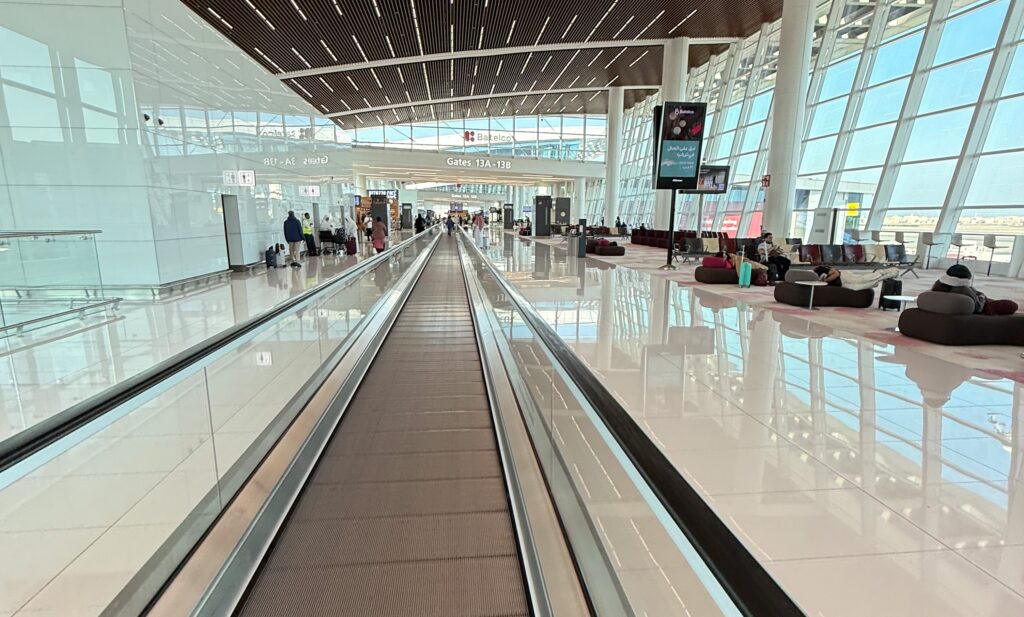
One unmistakable trend in airport design is the ever-increasing distance to departure gates. As airports expand to accommodate more flights, terminal buildings stretch alongside runways, necessitating the installation of multiple travelators. Some airports even feature trains connecting distant terminals, underscoring the sheer scale of modern aviation infrastructure.
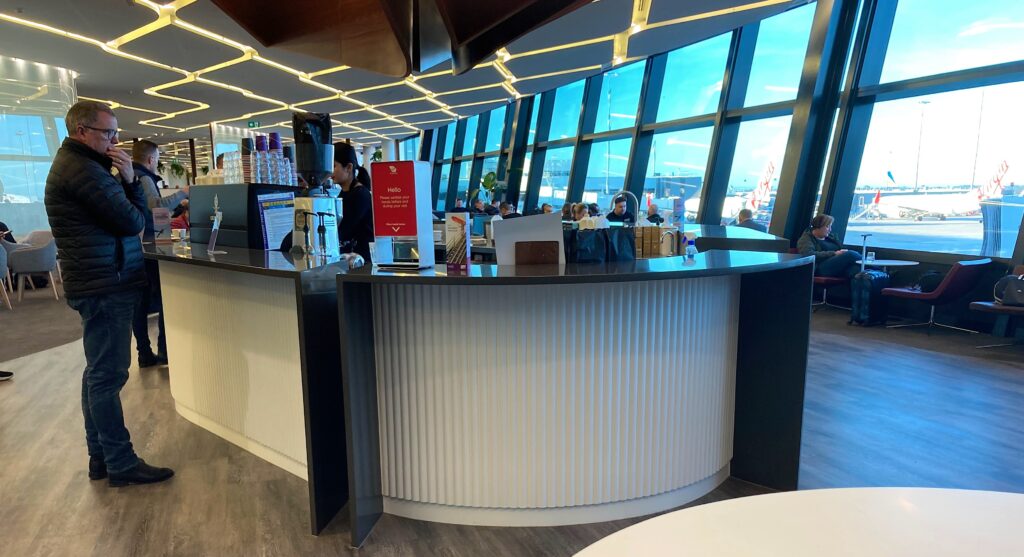
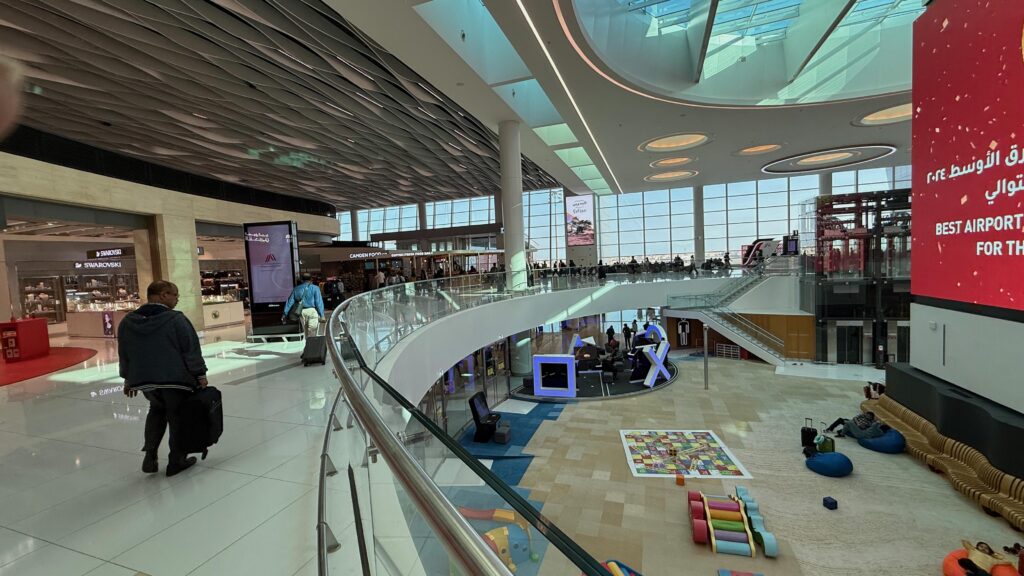
Despite these marathon walks, airport amenities have improved dramatically. Today’s international airports are like miniature cities, offering everything from medical clinics and transit hotels to currency exchanges and a dazzling array of food and retail outlets. Restrooms are plentiful and well-maintained, often located within 5 minutes’ walk from any point in the terminal. In many ways, airports now rival five-star hotels in terms of facilities and service.
The Duty-Free Gauntlet: A Commercial Compromise
One less welcome development is the near-universal requirement to pass through duty-free retail zones immediately after security. These winding, unavoidable pathways are designed to maximize exposure to luxury goods and impulse purchases.
While some may appreciate the convenience, others—myself included—find it a crass concession to commercial interests. It’s a far cry from the more tasteful approach of situating shops alongside main walkways, as seen in some international airports.
A Culinary Renaissance: Food Outlets and Microbreweries
Airport food has undergone a transformation. Gone are the days of uninspired fast food; today’s airports feature thoughtfully designed cafes, bars, and even microbreweries. These outlets, often curated in partnership with airport management, offer quick yet quality meals in stylish surroundings.
The emergence of food courts with diverse cuisines, including local specialties, adds to the appeal. Singapore’s Changi Airport, for example, showcases regional delicacies in a vibrant, semi-circular arrangement of stalls—a trend likely to grow as travelers demand more authentic and varied dining experiences.
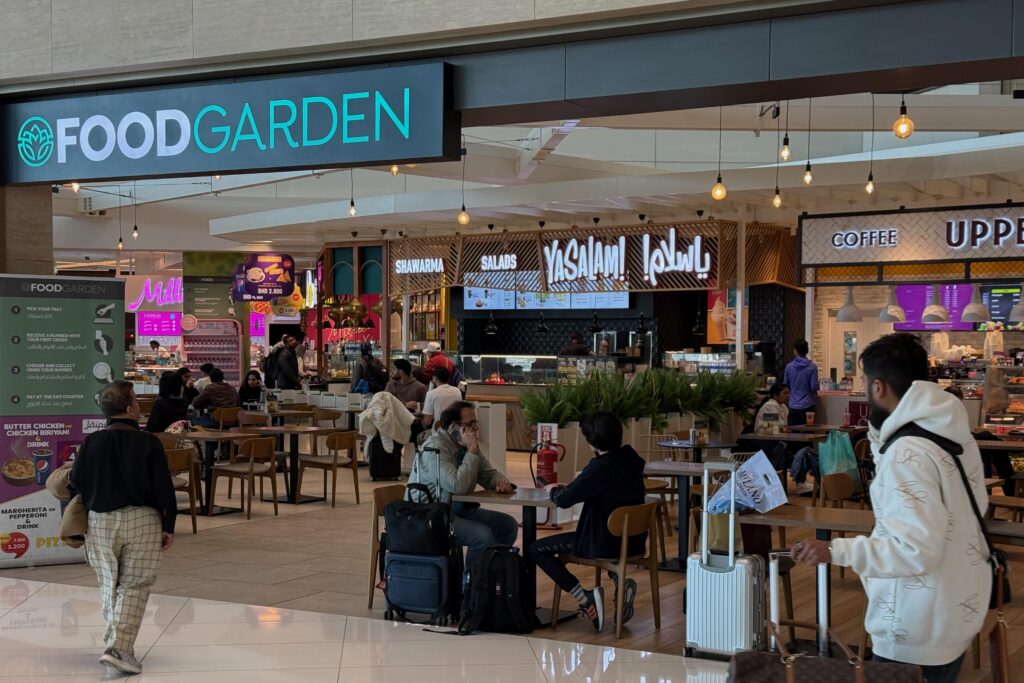
Interestingly, airline lounges—once the gold standard for airport dining—now sometimes lag behind these public outlets. Cost-cutting measures have led to a decline in the quality and variety of lounge offerings, with notable exceptions such as Singapore Airlines, Emirates, Qatar Airways, Etihad, and Cathay Pacific at their home bases. As a result, even frequent flyers may find themselves venturing out for a more satisfying meal.
Super Airports: Cities in Their Own Right
The airport ecosystem is evolving into something even grander: the rise of “super airports.” These vast complexes are not just transit points but destinations in themselves, complete with shopping malls, entertainment zones, hotels, spas, swimming pools, and even botanical gardens.
Singapore’s Changi Airport, with its iconic indoor waterfall and rainforest, sets the benchmark for this new breed of airport. Passengers, both local and international, are often mesmerized by the sheer scale and ambition of these facilities. Spending a few extra hours at the airport has become a pleasure rather than a chore. And they are building a colossal 5th terminal!
Dubai, already a global aviation powerhouse, is planning an airport five times the size of its current facility, promising an unprecedented level of luxury, convenience, and innovation. As the home of Emirates, Dubai’s new airport is poised to redefine the very concept of the airport ecosystem, potentially setting new standards for the rest of the world to follow.
The Future: Competition, Choice, and Consumer Power
One positive outcome of these developments is increased competition among retailers and food outlets, which has helped narrow the historical price gap between airport and city offerings.
As airports become more like cities, passengers benefit from greater choice and better value. The airport ecosystem, once defined by its insularity and high prices, is opening up to the forces of the market, ultimately serving travelers better.
Conclusion: The Airport as a Microcosm of Modern Life
In sum, airports are much more than gateways to distant places—they are vibrant ecosystems that reflect the complexities, challenges, and triumphs of our interconnected world. From the smallest airfields to the largest super hubs, airports embody the spirit of movement, adaptation, and innovation.
As technology advances and passenger expectations evolve, the airport ecosystem will continue to transform, offering new experiences and opportunities for all who pass through its gates.