
The Rise and Risks of Fake Short-Form Videos: Why We Need to Pay Attention
Short-form videos, have exploded across social media in the past five years, captivating millions with their bite-sized, visually engaging content.
Platforms like TikTok, YouTube Shorts, and Instagram Reels have redefined how we consume information, entertainment, and even news.
But as these platforms grow, so does a less visible trend: the proliferation of fake, scripted, or misleading videos, especially in genres we typically trust—health tips, animal rescues, acts of kindness, and military snippets. This phenomenon deserves closer scrutiny, not just for its novelty, but for the subtle risks it poses to viewers and society at large.

Why Short-Form Videos Dominate
Short-form videos—typically 30 to 60 seconds, but sometimes as brief as 5 seconds or as long as 90—fit perfectly into the modern attention span. Their vertical format signals immediacy and convenience, making them ideal for quick consumption on mobile devices. Unlike long-form content, which demands dedicated viewing time, short videos slot easily into daily routines, from coffee breaks to commutes.
This accessibility has made short-form content the default for millions. The rise of TikTok, whose entire business model is built on this format, demonstrates just how powerful and addictive these videos can be. The lower production effort and cost of short-form videos attract a wider array of creators, from genuine storytellers to opportunists seeking viral fame or financial gain.
The Surprising Spread of Fakes in “Friendly” Genres
While fake videos are nothing new to social media, their infiltration into seemingly harmless genres is a more recent and concerning trend. Traditionally, the focus of fact-checkers and moderators has been on political misinformation, hate speech, and crime. Yet, genres like health advice, animal rescues, acts of kindness, and military history—once considered benign—are now rife with staged, misleading, or outright fabricated content.
Examples of Misinformation
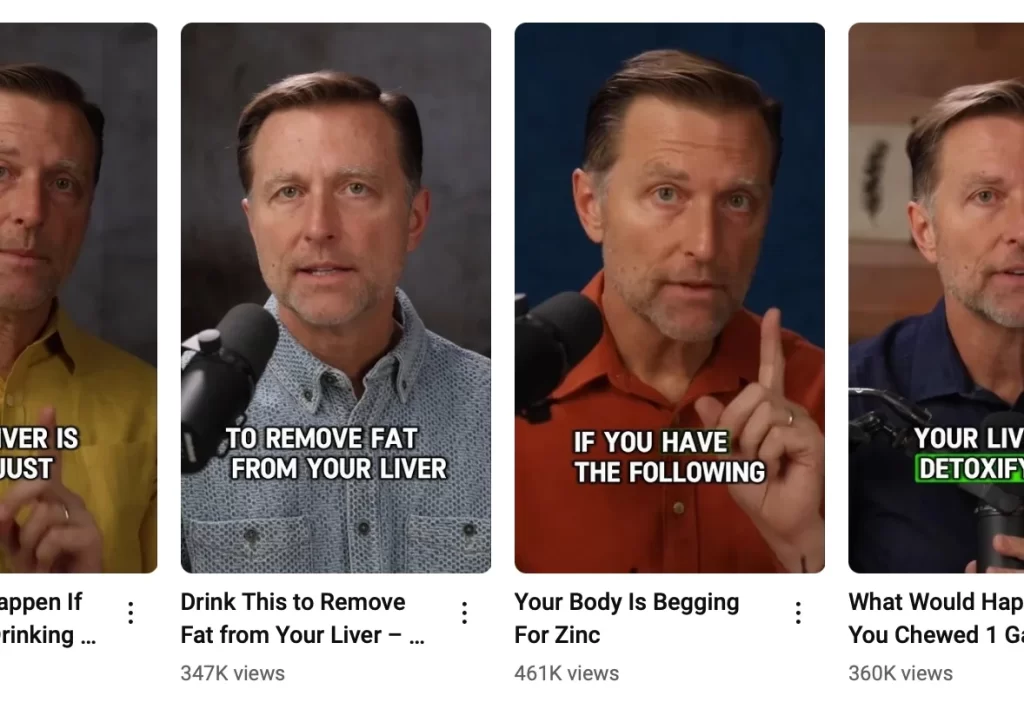
- Health and Supplements: Unqualified individuals, sometimes styling themselves as “doctors,” make sweeping claims about diets, supplements, or health practices. For instance, a short video might confidently declare that all seed oils are harmful, with no scientific backing or credentials to support the claim. These videos often go viral, perpetuating myths and potentially endangering vulnerable viewers, especially the elderly.
- Animal Rescues: Heartwarming stories of animals being saved and returning to thank their rescuers are popular. Many however are staged or edited with footage of different animals, sometimes not even from the same species or region. The emotional appeal is strong, but the reality is often fabricated.
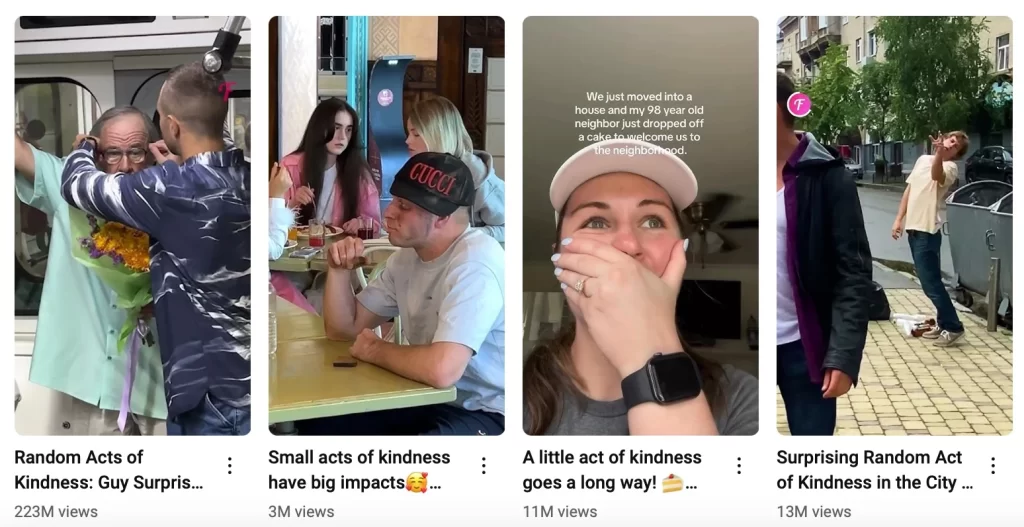
- Acts of Kindness: Videos showing dramatic turnarounds—strangers helping the needy, good fortune befalling do-gooders—are frequently staged for maximum emotional impact. The line between genuine and scripted is increasingly blurred, with creators chasing clicks.
- Military Snippets: Clips purporting to show real events or advanced weaponry are sometimes spliced with incorrect footage, mismatched equipment, or even entirely fictional narratives. One video, for example, claimed a Chinese test pilot defected to Taiwan with a stealth fighter—a dramatic story that never happened.
Why Do Fakes Thrive in Short-Form Video?
Several factors make short-form videos particularly susceptible to fake content.
- Low Production Barriers: Shooting a quick video on a smartphone requires little effort or cost. This democratizes content creation but also opens the door to those with less scrupulous motives.
- Viral Incentives: The algorithms that drive these platforms reward engagement. More views mean more income for creators and higher ad revenue for platforms. This creates a powerful incentive to craft sensational, emotionally charged, or misleading content that’s likely to be shared widely.
- Lack of Scrutiny: Unlike political or criminal content, lighter genres receive less oversight from moderators, fact-checkers, or watchdogs. This makes them fertile ground for fakes to flourish.
The Real-World Impact of Fake Videos
While some might argue that staged animal rescues or embellished acts of kindness are harmless, the consequences can be serious:
- Erosion of Trust: As fake content proliferates, genuine creators and stories are overshadowed. Viewers become cynical, doubting even authentic messages, which undermines the positive impact these genres once had.
- Health Risks: Unverified health advice can lead viewers to make poor decisions, especially when it comes from seemingly authoritative sources. The elderly, in particular, are often targeted with dubious supplement claims or miracle cures.
- Financial Scams: Some creators solicit donations for causes like rescuing animals from slaughter, using staged footage and emotional appeals. Without independent verification, these campaigns can be outright scams, exploiting viewers’ goodwill for profit.
- Distorted Understanding: In the case of military or historical content, fake videos can rewrite public perceptions of real events. This is especially concerning for younger viewers who may not have the background to discern fact from fiction.

The Psychology Behind Fake Content
The motivations for creating fake short-form videos are varied:
- Monetary Gain: More views mean more money, either from platform payouts or sponsored content. This is especially true for health and supplement videos, where unproven products are pushed to large audiences without regulatory oversight.
- Social Validation: Some creators seek reputation or “karma” points, using concocted stories to boost their social standing. This drive for validation can lead to increasingly elaborate fabrications.
- Manipulation and Amusement: There’s also an element of “trolling”—testing how gullible audiences are, or simply enjoying the spectacle of a viral fake.
Need for social validation
A form of self-validation of one’s perceived self worth. We see this in the publishing World where some authors do bulk purchase of their own books. The aim is to push their ratings up even if makes a loss.
In 1995, the popular book sales barometer, the New York Times Best Sellers List began carrying a dagger symbol next to a listed book indicating bulk purchase had occurred. The most famous and not surprising is Trump. Here is an interesting article on book bulk purchase to push the books to the top.
The Role of Platforms and Audiences
What can be done to address this growing problem? Platforms have a responsibility to monitor and moderate content, but their efforts are often focused on the most harmful genres.
While some deploy AI and image analysis to catch taboo content, similar vigilance is needed across all genres, especially as AI-generated videos become more sophisticated.
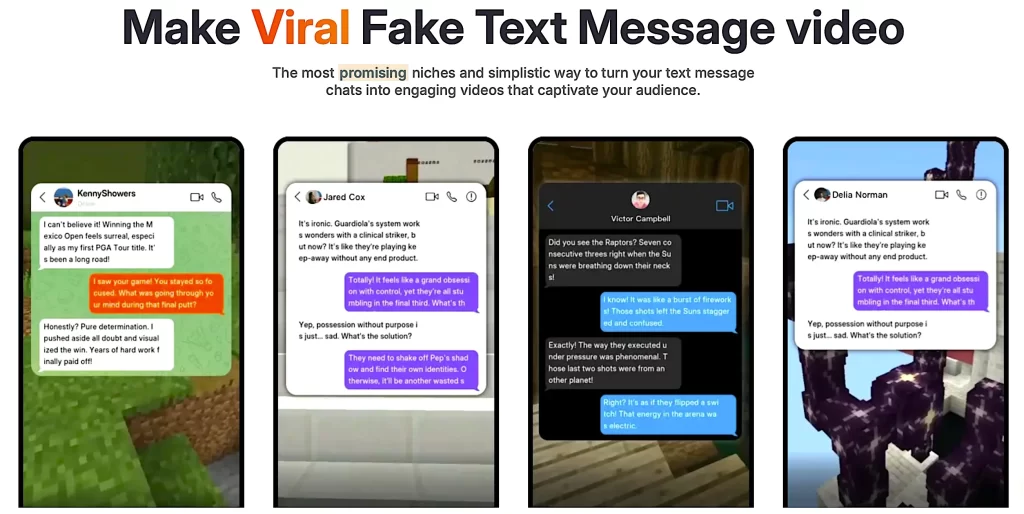
Audiences, too, play a crucial role. Reporting suspicious content, verifying claims, and sharing responsibly can help stem the tide of misinformation. However, the sheer volume of content and the speed at which it spreads make this a daunting task.
The Challenge of Discerning Real from Fake
The ease of creating and sharing short-form videos means that even seasoned viewers can struggle to tell genuine content from staged or manipulated footage. Some videos include small disclaimers—“for educational purposes”—but these are often overlooked. As the lines blur, the risk is that viewers become either too trusting or too skeptical, missing out on the real value these genres can offer.
Looking Forward: Solutions and Cautions
Legislative action may eventually compel platforms to take greater responsibility, but without public awareness and demand, change is likely to be slow. In the meantime, viewers must become more discerning, questioning the authenticity of what they see and seeking verification where possible.
The rise of fake short-form videos is a complex, evolving issue. While much of the content is harmless or even enriching, the risks—misinformation, scams, and erosion of trust—are real. As consumers of this new media landscape, we owe it to ourselves and each other to look beyond the surface, celebrate genuine stories, and call out the fakes.
Conclusion
Short-form videos have transformed social media, making information and entertainment more accessible than ever. But with this convenience comes new challenges. The spread of fake content in trusted genres threatens not just individual viewers, but the integrity of the platforms themselves. By staying vigilant, demanding accountability from creators and platforms, and fostering a culture of critical thinking, we can ensure that short-form video remains a force for good—enriching our lives, not misleading them.