
A revolution that no one expected. Eighteen years ago, a simple idea born out of frustration on a Parisian street corner changed how the world moves.
Today, the ride-hailing phenomenon—spearheaded by Uber, Lyft, Grab, Bolt, and their global counterparts, has become an essential part of urban life. As ubiquitous as the avocado toast that has taken over breakfast tables worldwide.
Much like the avocado, projected to be the world’s most traded fruit by 2030, ride-hailing has transformed. From a niche innovation to a dominant force, reshaping transportation, work, and even our social fabric.
The Dawn of a New Era: How Ride-hailing Began
The story of ride-hailing began in 2008, when Garrett Camp and Travis Kalanick in Paris, unable to find a cab after a conference. They envisioned a service that would allow anyone to summon a ride at the tap of a phone.
By 2009, Uber’s beta app was quietly released in San Francisco. The following year, it was tested in New York with just three cars before officially launching back in San Francisco.
At first, the concept was met with confusion. Was it a taxi service, a carpool, or something entirely new? Even the initial name “UberCab” suggested a twist on the traditional taxi. But what set Uber apart was not just the idea—it was the technology.
The App That Changed Everything
The smartphone app that had features that were either unheard of or scattered across different services. GPS-based pickup, real-time ride tracking, trip amount, driver and vehicle details, seamless cashless payments, and a user interface that made the process intuitive and even enjoyable.
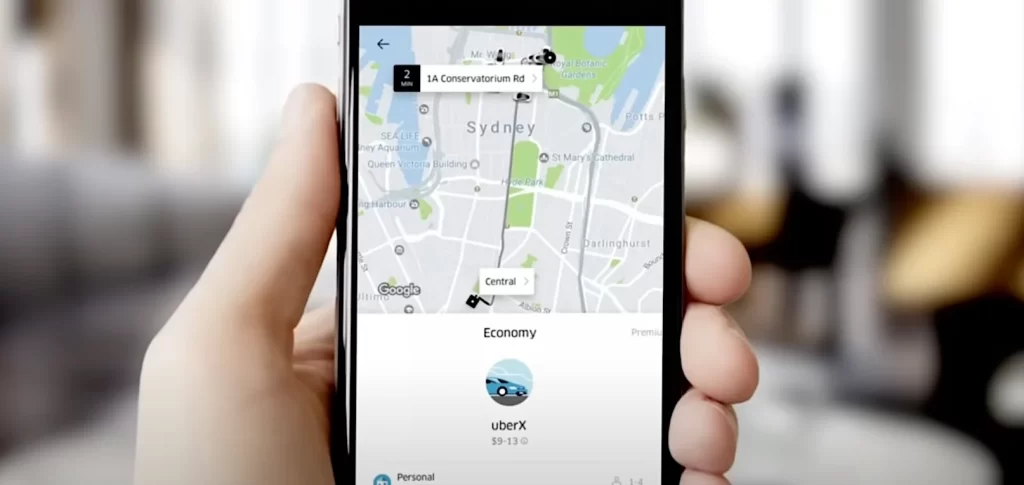
Before Uber, booking a cab was often a hassle, involving phone calls, uncertain wait times, and cash payments. The Uber app, and those that followed, revolutionized this experience. With a few taps, users could:
- Pinpoint their exact location for pickup
- Give the driver the destination before hand
- See the trip amount and estimated arrival times
- Receive notifications when a driver accepts and arrives
- Access vehicle and driver information for added security
- Track their ride in real time, from acceptance to drop-off
- Pay without ever reaching for their wallet
These features, now standard, were groundbreaking at the time. They set a new bar for convenience and transparency. Quickly winning over users and making ride-hailing apps a must-have for travelers and city dwellers alike.
A New Frontier for Drivers
On the other side of the equation, ride-hailing opened doors for millions seeking flexible work. Unlike traditional taxi driving, which often required expensive licenses, faced limited licence quotas, specific vehicle models, and a host of regulatory hurdles, Uber and its peers made it easy for almost anyone with a car and a standard driver’s license to sign up.The process was streamlined: online enrollment, document uploads, basic background checks, and vehicle inspections, all handled through the app. This democratization of driving for income appealed to a wide range of people—students, stay-at-home parents, retirees, and thoseseeking supplemental income.
The model’s flexibility was a game-changer: drivers could choose their own hours, work with multiple platforms, and decide when and where to operate. The sense of independence and control was unprecedented, drawing in those who wanted to break free from the constraints of traditional employment.
Disruption: The Buzzword
The rise of ride-hailing didn’t just change how we get around—it redefined the very concept of “disruption.” Once a negative term, “disruption” became a badge of honour in boardrooms and tech circles, synonymous with innovation, transformation, and progress.

Uber and Lyft, in particular, became templates for startups everywhere, showing that technology could upend even the most entrenched industries.
The taxi sector, long criticized for complacency and poor service, was shaken to its core. The value of taxi medallions and licenses plummeted, and the public frustrated by years of subpar experiences, embraced the new model with enthusiasm.
Safety, Service, and the End of Taxi Hassles
One of the most significant benefits of ride-hailing has been the increase in safety and transparency for both riders and drivers. The app-based system creates a digital audit trail: driver and vehicle details are shared before pickup, rides are tracked in real time, and both parties have access to each other’s profiles.
This visibility has been especially reassuring for female passengers and those traveling alone. Prevalent taxi scams especially targeted at tourists in nearly all its various forms were avoided.
Gone are the days of haggling over fares, language difficulty, worrying about detours, or fumbling for cash. For many, the convenience and peace of mind offered by ride-hailing apps have made them the preferred choice, even when traditional taxis are readily available.
The Global Spread: From San Francisco to the World
In the Middle East, Careem (now owned by Uber) has become the go-to app, while Bolt has made waves in Estonia and across Europe.
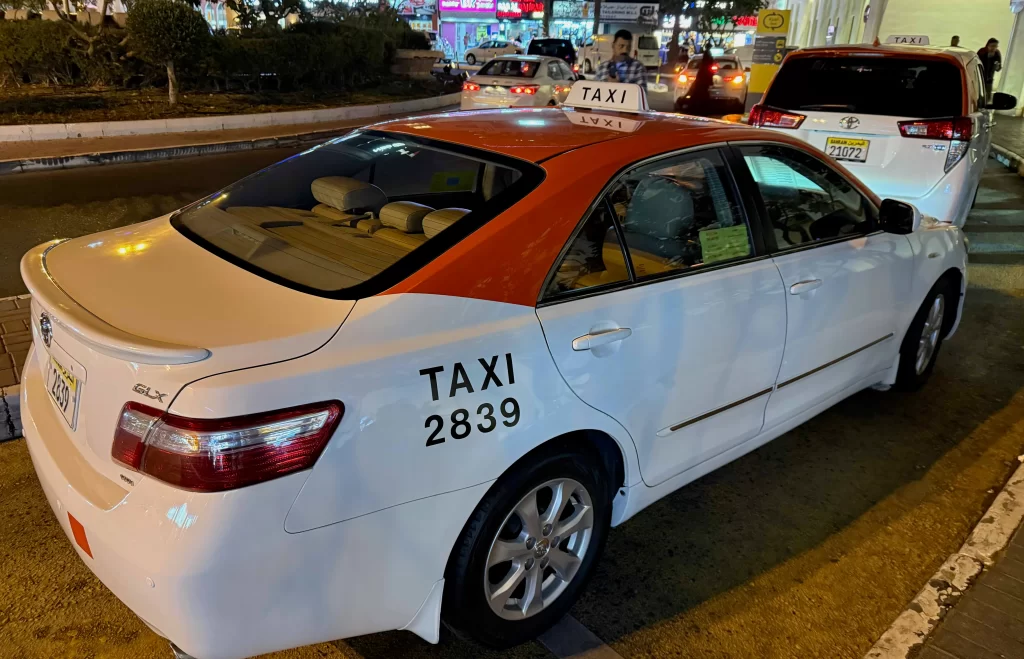
One notable achievement by Uber owned Careem together with Dubai transport regulator, Roads and Transport Authority, RTA, introduced a separate class just for taxi which follow the normal and cheaper taxi pricing. An instant hit for both passengers and taxi drivers.
In the former republics of the Soviet Union, Yandex rules with the same set of benefits and near identical UI and UX of the Ubers of the World. Yandex personally gave me the confidence to head to that part of the World. And it was inexpensive.
In Southeast Asia, Grab has redefined urban mobility, offering everything from car rides to motorbike taxis and even food delivery. The model’s flexibility and adaptability have allowed it to thrive in diverse environments, from the bustling streets of Singapore to the traffic-choked avenues of Jakarta and the scenic roads of Bali.
Challenges and Controversies
Of course, the ride-hailing revolution hasn’t been without its challenges. Early promises of high earnings for drivers have faded as competition and market saturation have driven down drivers’ earnings.
Tensions with traditional taxi drivers have sometimes boiled over into protests and unofficial “no-go zones,” particularly in tourist hotspots like Phuket and Bali, though these incidents are now rare and increasingly confined to small areas.
Regulatory battles rage on, with governments and courts struggling to define the rights and responsibilities of gig workers. Issues around insurance, benefits, and job security remain work-in-progress, sparking debates about the future of work in a world increasingly dominated by platforms and algorithms.
A Lasting Legacy: The Future of Ride-Hailing
Despite these challenges, the ride-hailing model is here to stay. The convenience, flexibility, security and transparency it offers have become indispensable to millions.

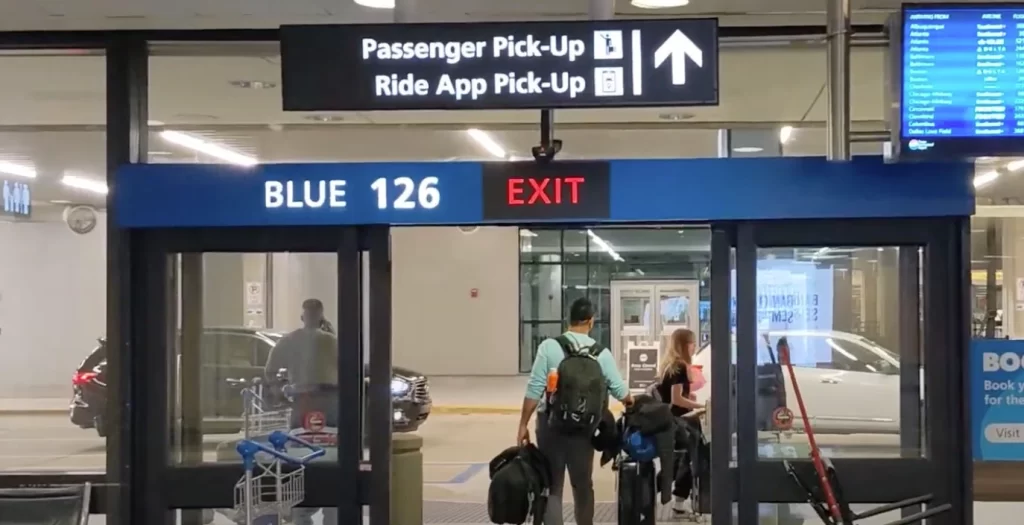
Airports around the world now feature dedicated ride-hailing kiosks and ranks, and many travelers bypass traditional taxi ranks in favor of the familiar app on their phone.
Conclusion: The Ride Continues
Eighteen years on, ride-hailing is no longer a novelty—it’s a necessity. It has redefined convenience, empowered millions to earn on their own terms. It also set the stage for future innovations in mobility and beyond.
As we look ahead, the spirit of disruption that launched Uber and its peers continues to inspire. Reminding us that sometimes, the best ideas are born from the simplest of needs. And a little frustration on a rainy night in Paris.