
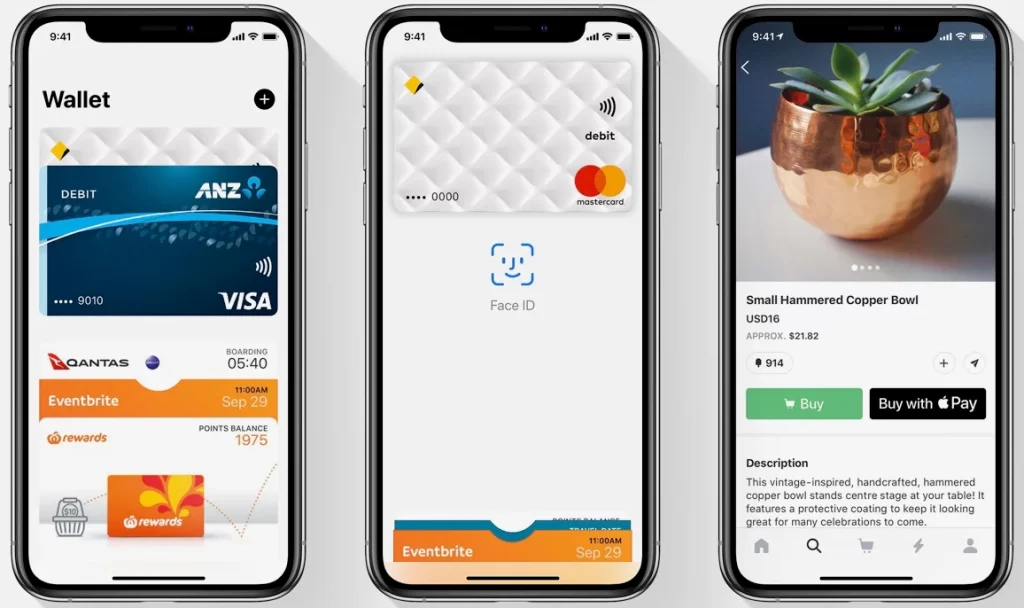
Apple Pay: The Day Privacy Changed Payments Forever
On October 20, 2014, Apple Pay made its debut—a moment that would quietly but profoundly reshape the payments industry. It was a seminal moment for number of reasons.
In the years since, millions of people around the world have adopted Apple Pay, tapping their iPhones and Apple Watches to make purchases in stores, on the web, and within apps. For many, it’s simply a matter of convenience and speed. But beneath the surface, Apple Pay represents something far more significant: a revolution in privacy, security, and the very nature of how we pay.
A World Before Apple Pay
To appreciate Apple Pay’s impact, it helps to recall what payments looked like before its arrival. The landscape was already shifting: contactless payments were gaining ground, thanks to technologies like Visa’s PayWave and Mastercard’s PayPass.
These systems used embedded chips and radio-frequency identification (RFID) or near-field communication (NFC) to let users tap their cards for quick transactions. The first public use of contactless payments dates back to 1995, when South Korea introduced them for mass transit—a move that would inspire similar systems worldwide.
Yet, despite their speed and convenience, these early contactless methods had a crucial flaw: privacy. When you tapped your card, your actual card number and personal information could be exposed to merchants, their staff, and potentially anyone with access to the transaction data. This vulnerability was a boon for fraudsters and a headache for consumers, who faced the constant threat of data breaches and card cloning.
Apple’s Unseen Mission: Privacy
Apple, long known for its focus on user experience, brought something new to the table: an obsession with privacy.
In the days leading up to Apple Pay’s launch, the company’s press release promised an “Easy, Secure & Private Way to Pay.” The first two words—easy and secure—were familiar marketing territory. But “private” was a departure, a bold statement in an industry where privacy was often an afterthought.
What did Apple mean by a “private way” to pay? In essence, it meant that your actual card details and identity would never leave your device. When you used Apple Pay, merchants would see only a one-time approval code and a reference number—never your real card number but a token number and card details.
The technology behind this is called tokenization: your sensitive payment information is replaced by a unique digital token, decipherable only by secure systems deep within the payment network. Even if a hacker intercepted the transaction, they’d find nothing of value.
Building Apple Pay: An Unlikely Alliance
Why a seminal moment?
Apple didn’t achieve this alone. Apple, a non-payment player then, convinced giants of the payment World like Visa, Mastercard, American Express, and thirteen major banks to believe in them. It was audacious as the entire architecture for their suggested payment model all came from Apple. The model used existing and established plumbing of the payment industry.
These were competitors, not natural collaborators, yet they came together to build a new standard for secure, private payments. Such cooperation was unprecedented in the fiercely competitive world of finance—akin to herding cats, as one observer put it.
This alliance was not mandated by regulators or driven by outside pressure. It was a voluntary partnership, united by a shared vision of safer, smarter payments. The result was a system that set a new benchmark for the industry.
The Industry Responds
Apple Pay’s launch sent shockwaves through the payments world. Samsung, recognizing the value of privacy and security, quickly introduced Samsung Pay for its own users. Meanwhile, some major retailers, like Walmart, initially refused to accept Apple Pay, preferring to promote their own payment solutions. PayPal, feeling threatened, even questioned Apple Pay’s security—a somewhat ironic move, given PayPal’s own history with online payments.
Yet, many retailers saw the writing on the wall. Companies like Sephora, Nike, Whole Foods, and Disney were ready on day one, eager to offer their customers a faster, safer, and more private way to pay.
Tokenization: The End of Card Data Harvesting
Perhaps the most revolutionary aspect of Apple Pay is what it doesn’t share. When you make a purchase, your receipt contains no trace of your actual card number or personal information. For merchants, this marked a dramatic shift. No longer could they easily collect customer data from payment cards for loyalty programs or marketing campaigns—at least not without explicit consent.
For consumers, this meant an immediate reduction in risk. The days of waiters or cashiers copying down card numbers, or hackers stealing card data for use in online fraud, began to fade. The black market for stolen card details shrank overnight, and banks found themselves fielding fewer calls about fraudulent transactions and the need to replace compromised cards.
A New Standard for Security
Central to Apple Pay’s architecture is a dedicated chip within each device, known as the Secure Element. This chip stores your card data in a way that’s isolated from the rest of the phone’s software—and never uploads it to the cloud.
Even Apple itself can’t access your card details. Each transaction is authorized by your fingerprint, face, or device passcode, adding another layer of security.
Today, banks, credit unions, and financial institutions offer Apple Pay, and thousands of merchants—large and small—accept it. The system’s privacy and security features have become a selling point, not just a technical detail.
The Hidden Benefit: Speed and Convenience
While privacy and security are at the heart of Apple Pay, its speed and convenience can’t be overlooked. A tap or a glance is all it takes to complete a purchase, authenticated instantly by biometric data. This seamless experience is a far cry from the days of fumbling for cash or swiping cards and signing receipts.
The Consumer’s Perspective
Despite all these advances, most users remain blissfully unaware of the technology protecting them. If you ask the average person, chances are they haven’t noticed that their purchase receipts no longer show their card details. They may not realize that Apple Pay’s tokenization is what keeps their information safe. Yet, every time they use Apple Pay, they benefit from a system designed to put their privacy first.
Commerce and Ethics: A New Model
Apple Pay’s success is a powerful reminder that commercial value and ethical responsibility aren’t mutually exclusive. By prioritizing privacy, Apple proved that it’s possible to create a system that benefits both businesses and consumers. Merchants get faster, more reliable payments; customers get peace of mind.
This approach has influenced the broader industry. Other payment providers have followed suit, adopting similar tokenization and privacy measures. What was once a unique selling point is now becoming the standard.
The Legacy of October 20, 2014
Looking back, it’s clear that Apple Pay’s launch was more than just a product release—it was a turning point. On that day, privacy and security returned to the consumer. The payments industry, once plagued by data breaches and fraud, began to move toward a future where personal information is protected by default.
The journey isn’t over. As technology evolves, new challenges will emerge. But the lessons of Apple Pay remain: privacy matters, security is essential, and innovation can serve both.
The Future: Where Do We Go From Here?
As we move further into the digital age, the principles behind Apple Pay are shaping the next generation of payment systems. Biometric authentication, secure hardware, and tokenization are becoming the norm. Regulators and consumers alike are demanding greater transparency and stronger protections.
For Apple, the quest for privacy continues. The company is expanding its approach to other products and services, from health data to messaging. For competitors, the message is clear: privacy isn’t just a feature—it’s a requirement.
In Conclusion
Apple Pay’s arrival marked a watershed moment in the payments industry. It redefined what it means to pay securely and privately, setting a new standard that others have been compelled to follow.
For consumers, it means fewer worries about fraud and data theft. For merchants, it means faster, more reliable transactions. And for the industry as a whole, it’s a reminder that progress and ethics can go hand in hand.
So the next time you tap your phone to pay for a coffee or groceries, remember: you’re not just saving time. You’re part of a revolution that put privacy back in your hands.